Across the globe, investment in water and wastewater infrastructure continues to accelerate as governments, municipalities, and private operators work to improve water security, expand capacity, and modernise aging networks.
From treatment facilities and pumping stations to pipeline upgrades and distribution systems, these projects are creating growing demand for the equipment that forms the backbone of water infrastructure.
Aging Infrastructure Requires Modern Solutions
Many existing water systems were built decades ago and are now operating beyond their original design life. At the same time, population growth, urban expansion, and climate-related challenges are placing increasing pressure on water networks. As a result, infrastructure owners are investing heavily in upgrades and expansions to improve reliability, reduce losses, and ensure long-term operational performance. While large-scale projects often attract the headlines, the success of these investments depends on the performance of the individual components that make up the system. Pumps, valves, pipelines, and associated equipment remain essential to the efficient movement and management of water.
Demand for Pumps and Flow Control Equipment Continues to Grow
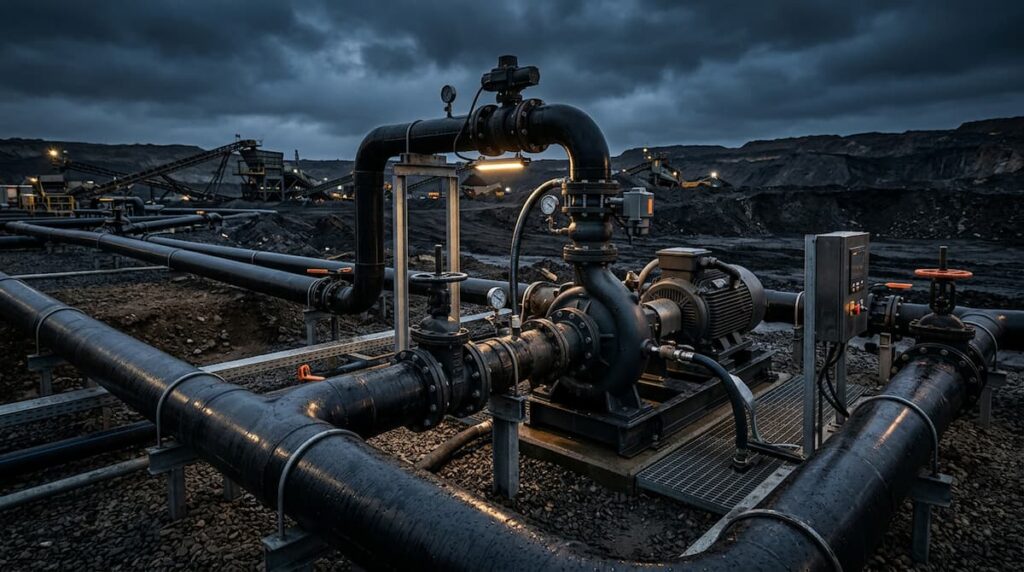
Industry analysts forecast continued growth in the global water and wastewater pump market as utilities and industrial operators invest in both new infrastructure and asset replacement programmes. Pumping systems play a vital role throughout the water cycle, from raw water abstraction and treatment to distribution and wastewater management. Reliable pumps are essential for maintaining operational continuity, particularly in demanding environments where downtime can have significant financial and operational consequences.
Similarly, valves and flow control equipment help operators regulate system performance, isolate sections of infrastructure for maintenance, and ensure efficient water movement throughout a network. As infrastructure projects become larger and more complex, selecting equipment that can withstand harsh operating conditions and deliver long-term reliability is becoming an increasingly important consideration.
Reliability Is Becoming a Key Investment Priority
Infrastructure owners are placing greater emphasis on lifecycle value rather than simply upfront cost. Equipment that offers durability, ease of maintenance, and consistent performance often delivers substantial savings over its operational lifespan. This is particularly true in sectors such as mining, industrial processing, agriculture, and municipal water management, where equipment is frequently exposed to demanding operating conditions. High-quality piping systems, dependable pumping solutions, and robust flow control equipment help reduce maintenance requirements and minimise unplanned downtime, supporting more efficient operations over the long term.
Supporting Infrastructure Beyond the Initial Installation
As investment in water infrastructure grows, there is also increasing recognition that ongoing support, maintenance, and technical expertise are essential to achieving the intended return on investment. Infrastructure assets require regular inspection, servicing, repairs, and occasional upgrades to ensure they continue operating at peak performance. Having access to experienced technical partners and responsive support services can make a significant difference to operational reliability and project success. For many organisations, this means looking beyond individual products and considering the broader lifecycle of the infrastructure they manage.
Building More Resilient Water Systems
The continued growth in global water infrastructure investment reflects the increasing importance of reliable water management in supporting communities, industries, and economic development. While technology and digital monitoring solutions are becoming more sophisticated, the foundations of every successful water system remain the same: dependable pumps, robust pipelines, effective flow control, and a commitment to long-term maintenance and performance.
As infrastructure projects continue to expand around the world, organisations that prioritise reliability, efficiency, and proactive asset management will be better equipped to meet future demand and maximise the value of their investments.