
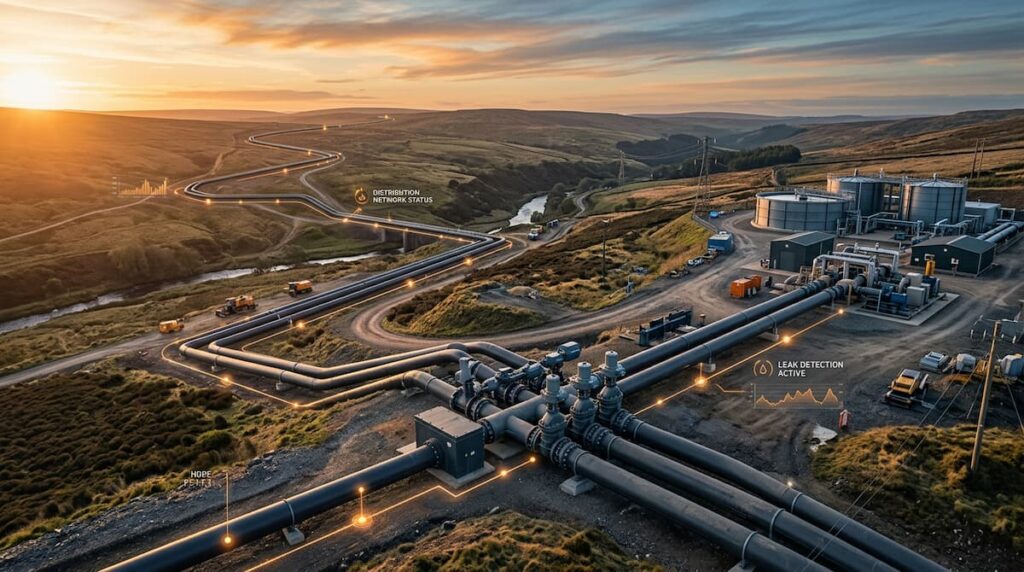
Water utilities around the world are under increasing pressure to reduce water losses, improve efficiency, and make better use of limited resources.
In response, many organisations are turning to artificial intelligence (AI) and satellite-based monitoring systems to identify leaks faster and more accurately than traditional methods allow. One recent example is Thames Water in the United Kingdom, which has invested in AI-powered leak detection technology with the goal of saving more than 100 million litres of water per day. While the technology itself is attracting attention, it also highlights a broader shift in how water infrastructure is managed.
Finding Leaks Is Only Part of the Solution
Historically, underground leaks could remain undetected for months or even years, resulting in significant water losses and costly damage. New AI-driven monitoring systems can analyse large volumes of data, identify anomalies, and pinpoint potential leak locations with remarkable accuracy.
However, identifying a leak is only the first step. Once a problem has been located, the quality and condition of the surrounding infrastructure become critical factors in determining how quickly and effectively it can be resolved.
Pipelines, valves, pumping systems, and fittings all play a role in maintaining the integrity of a water network. As utilities gain better visibility into their assets through advanced monitoring technologies, the focus increasingly shifts toward ensuring those assets are reliable, durable, and fit for purpose.
The Growing Importance of Infrastructure Reliability
As water networks become smarter, infrastructure owners are recognising that preventative maintenance and proactive asset management can be just as important as leak detection itself.
Modern HDPE piping systems, for example, offer excellent durability, corrosion resistance, and flexibility, making them well-suited to demanding water transfer applications. Similarly, properly specified valves and pumping equipment help operators maintain consistent system performance while reducing the likelihood of unexpected failures.
When combined with accurate monitoring data, these infrastructure components enable utilities to move from reactive repairs to more strategic maintenance programmes.
A More Data-Driven Approach to Asset Management
One of the most significant benefits of AI-powered leak detection is the insight it provides into the overall health of a network. Rather than simply responding to failures, operators can use data to prioritise maintenance, plan upgrades, and allocate resources more effectively.
This approach helps reduce downtime, minimise water losses, and extend the lifespan of critical infrastructure.
For organisations responsible for water transfer, distribution, or industrial water management, having access to dependable equipment and experienced technical support becomes increasingly important as monitoring technologies continue to evolve.
Looking Beyond Leak Detection
The growing adoption of AI in the water sector reflects a wider trend toward smarter infrastructure management. Technologies that improve visibility and decision-making are becoming valuable tools for utilities seeking greater efficiency and resilience.
At the same time, these innovations reinforce the importance of investing in reliable physical infrastructure. The most advanced monitoring systems can identify potential issues, but long-term performance still depends on the quality of the pipelines, valves, pumps, and supporting systems that keep water moving where it is needed.
As the industry continues to embrace digital technologies, organisations that combine smart monitoring with robust infrastructure and proactive maintenance strategies will be best positioned to meet the challenges of the future.


